
Shop Festive Sarees Online for Every Indian Festival
India celebrates festivals in every season, and each region has its own colours, rituals and ways of dressing. A saree fits naturally into these celebrations because it can look traditional, modern, simple or dressed up depending on the fabric and styling. The same saree can work for a morning puja, family lunch, temple visit and evening gathering with a change of blouse or jewellery.
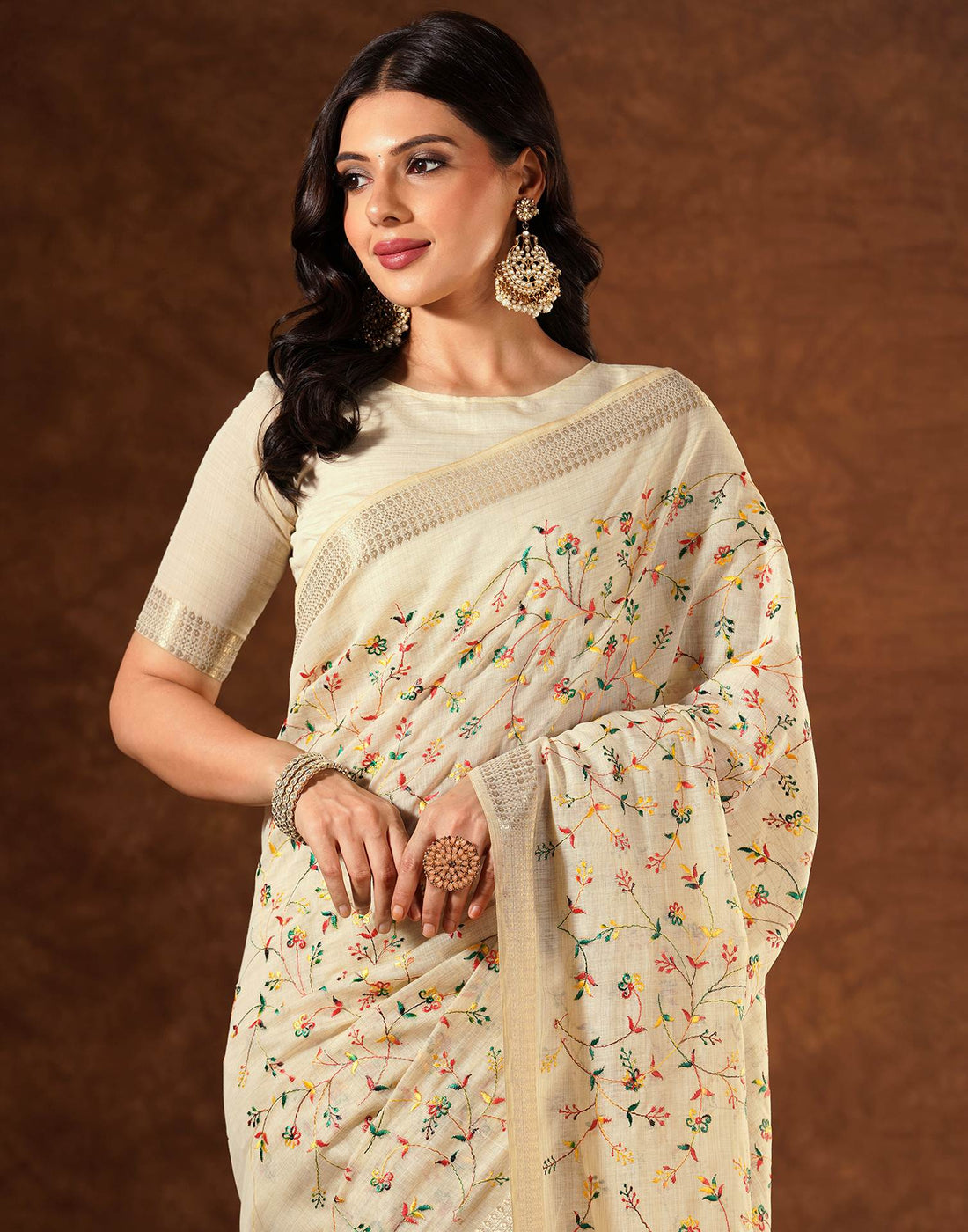
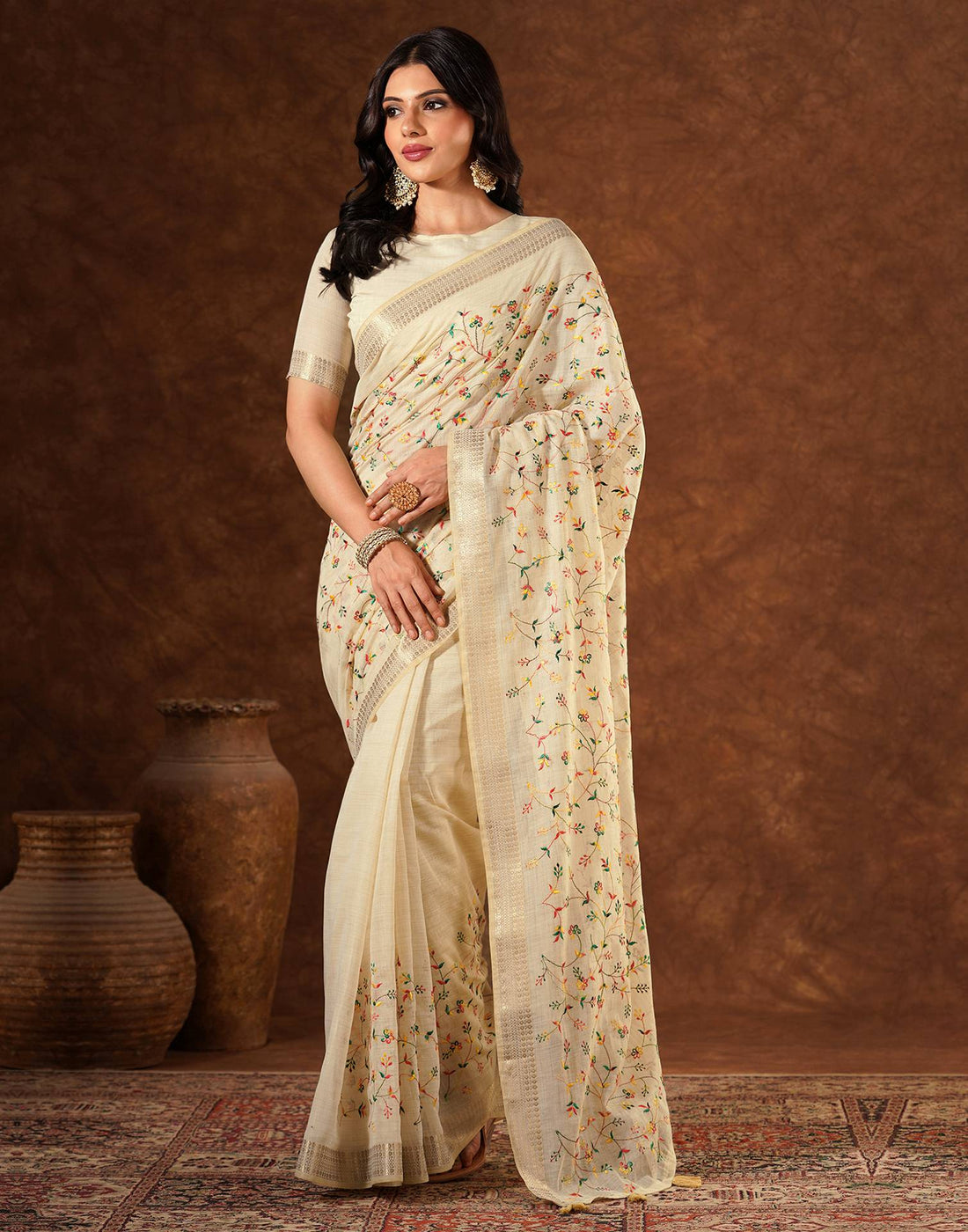
Sudathi’s festive saree collection brings together popular fabrics, colours, prints and woven styles for festivals across India. Explore silk, georgette, chiffon, Banarasi, Kanjivaram, Paithani, printed, embroidered and ready-to-wear festive sarees for women. Choose lightweight options for long daytime events, woven sarees for important rituals and embellished styles for evening celebrations.
Whether you are shopping for Diwali sarees, Navratri sarees, Onam sarees, Chhath Puja sarees or a saree for a smaller regional festival, you can compare different styles in one place. Buy festive sarees online at Sudathi and choose a saree that suits the occasion, your comfort and your personal way of dressing.
What Makes a Saree Suitable for a Festival?
A festive saree usually has bright or deep colours, woven borders, zari, embroidery, prints or light embellishments. It does not need to be heavy. A simple georgette saree with a neat border can suit a family puja, while a Banarasi, Kanjivaram or Paithani saree works well for a larger traditional event.
The best festival saree is comfortable for the number of hours you plan to wear it. Silk and woven sarees create a stronger traditional look. Georgette, chiffon and printed sarees are easier to manage during busy celebrations. Ready-to-wear festive sarees save draping time and help beginners achieve secure pleats.
Popular Festive Sarees for Women
Festive Silk Sarees
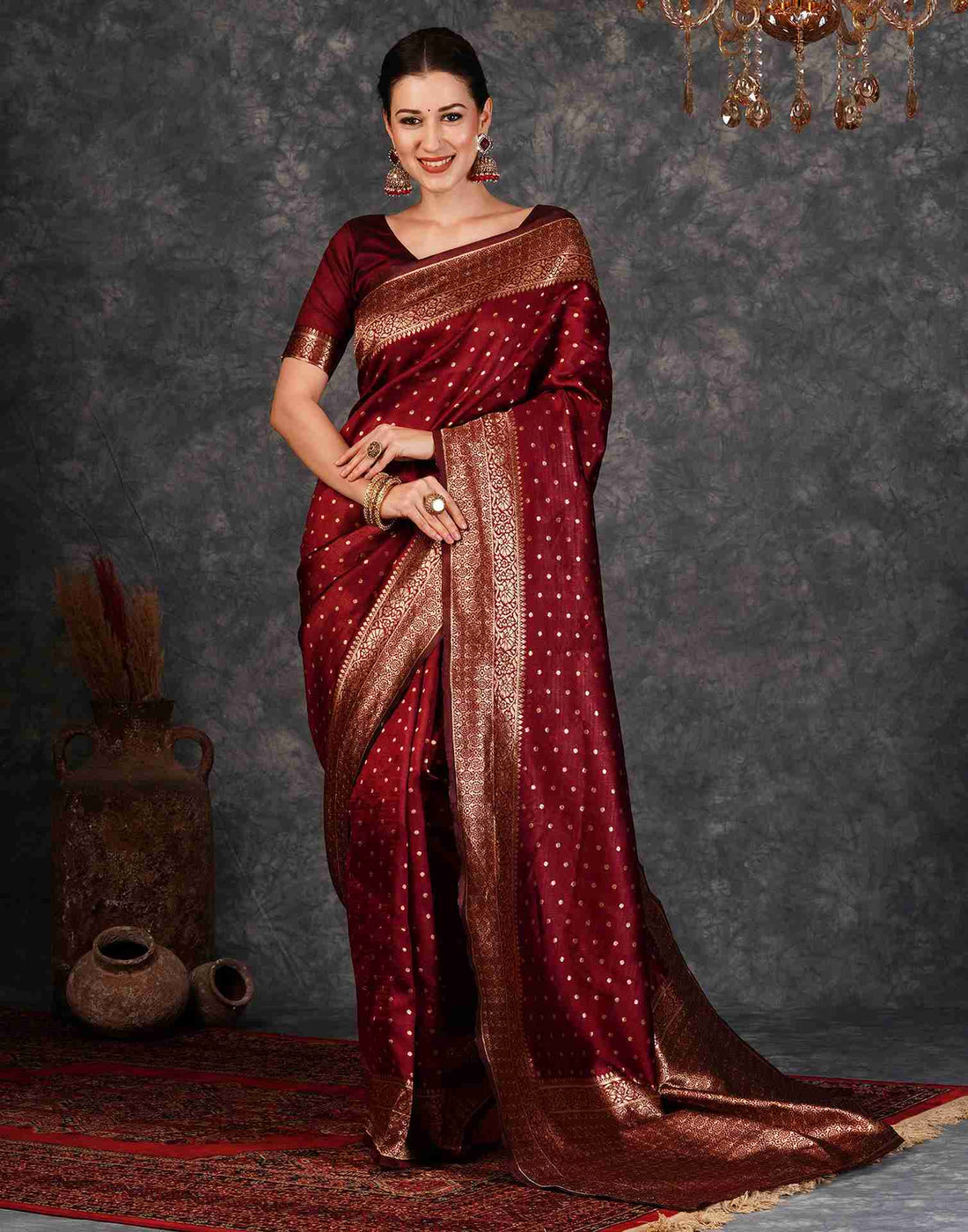
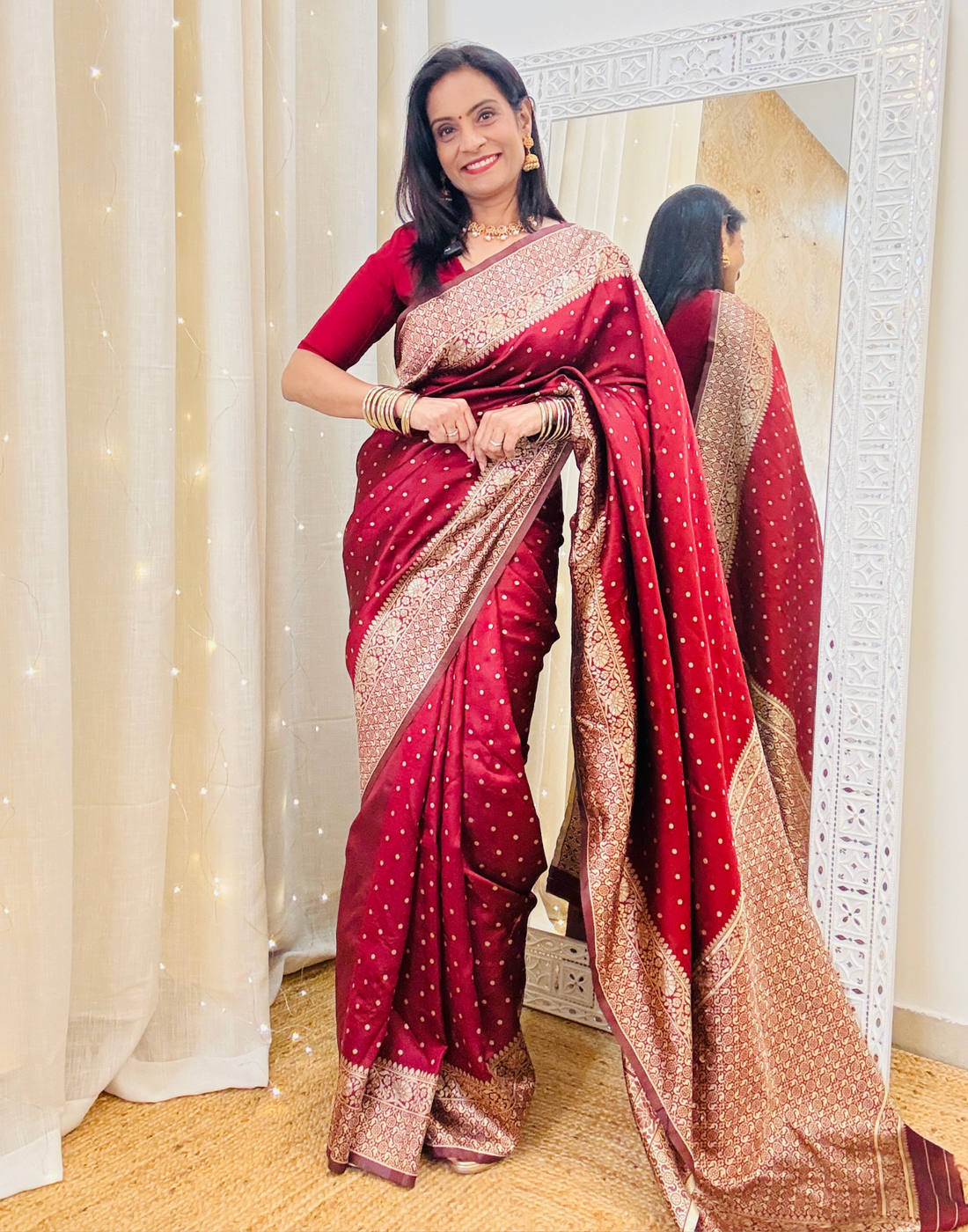
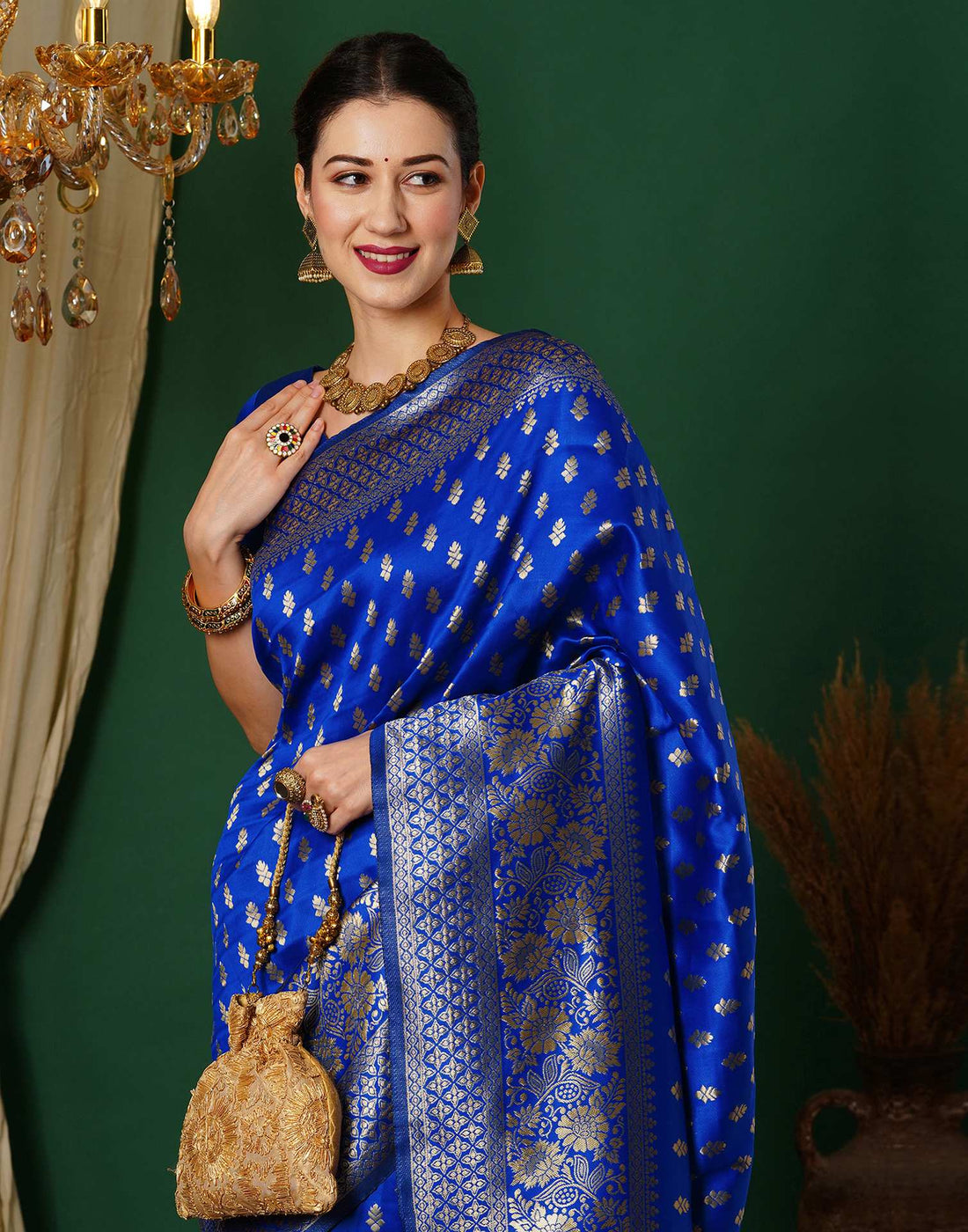
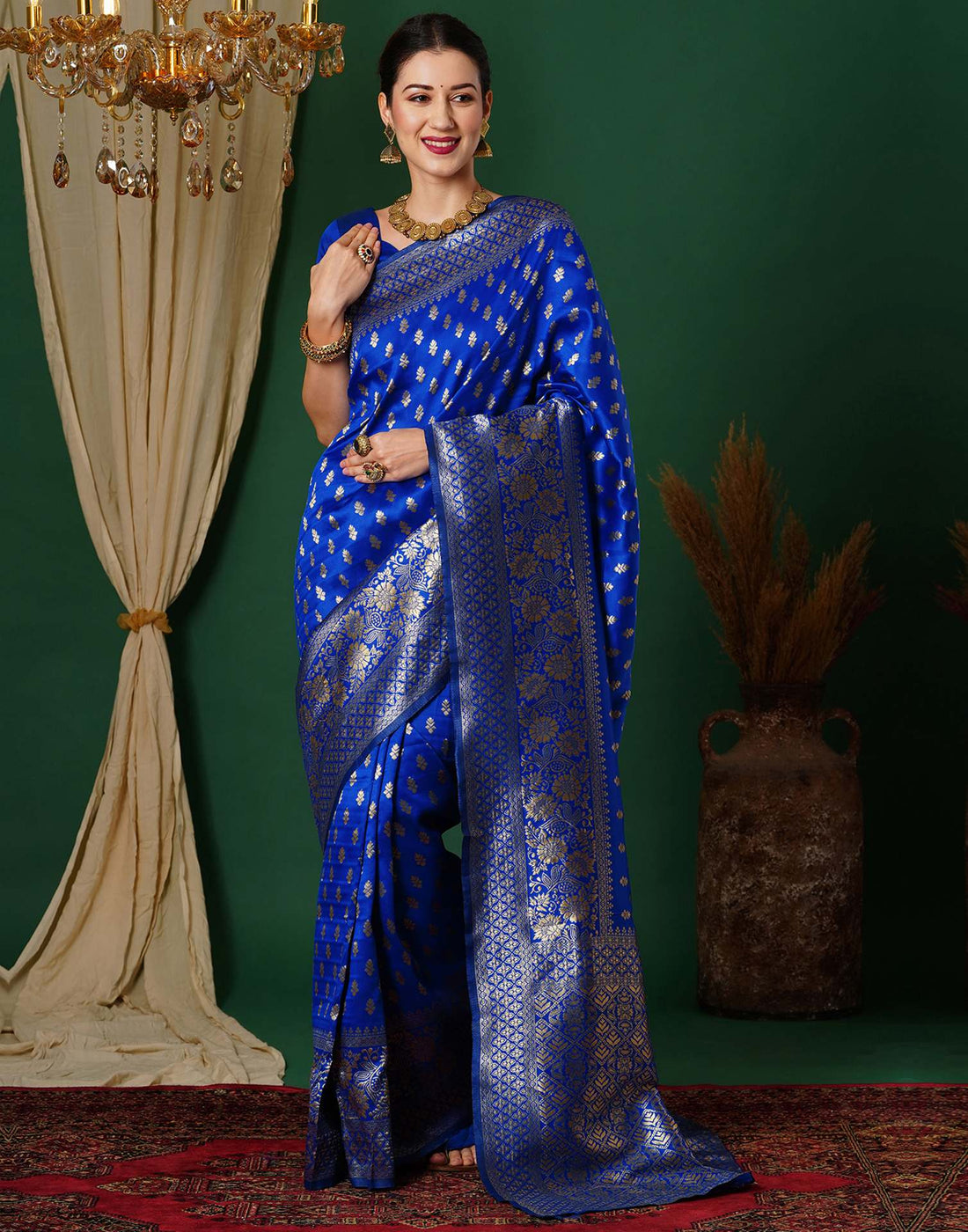
Festive silk sarees are popular for Diwali, Durga Puja, temple visits, weddings and important family functions. Their texture and borders create a complete festive look without requiring many accessories. Red, maroon, rani pink, green, blue and purple remain reliable choices. Peach, cream and pastel shades work well for softer daytime looks.
Banarasi, Kanjivaram and Paithani Sarees
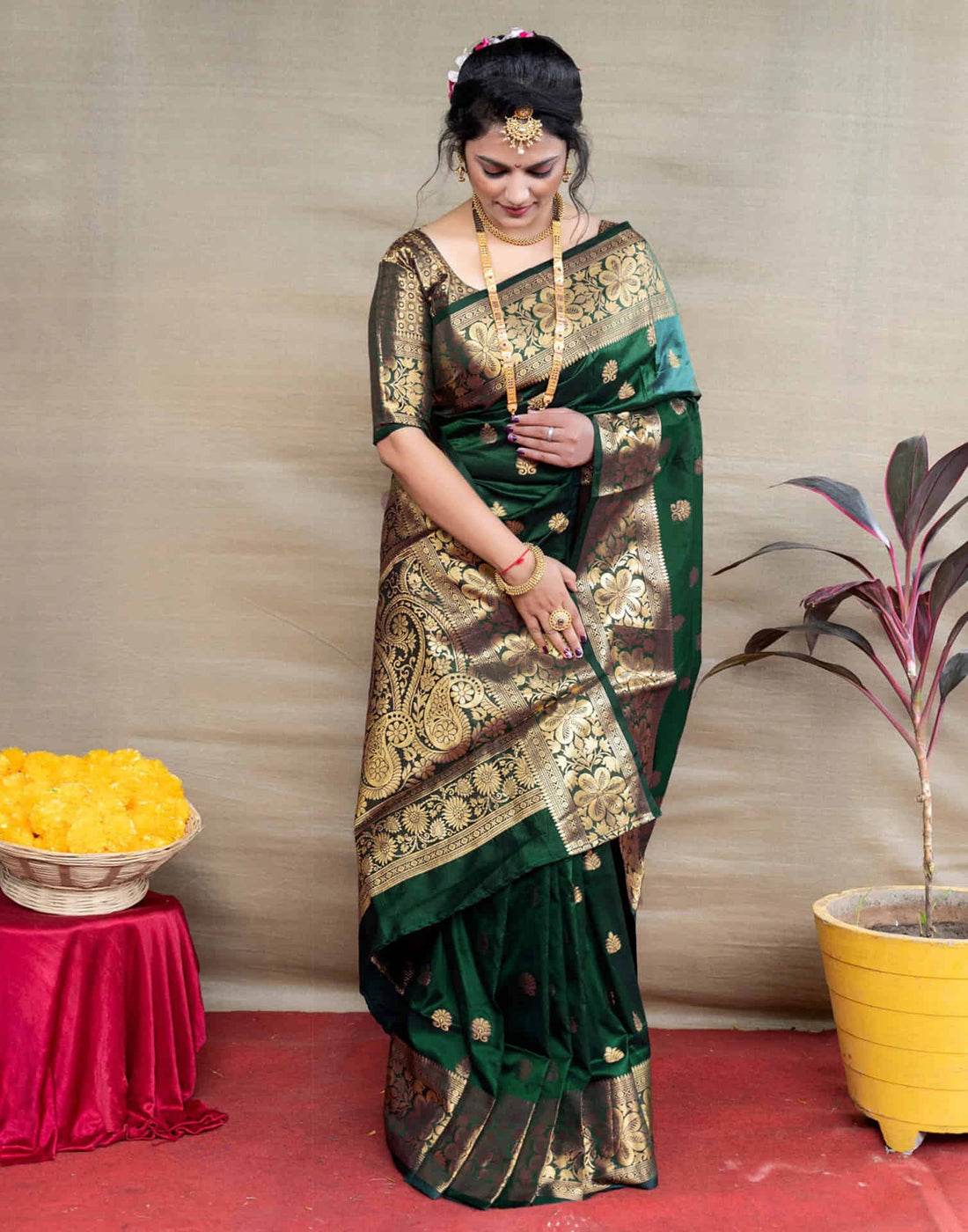
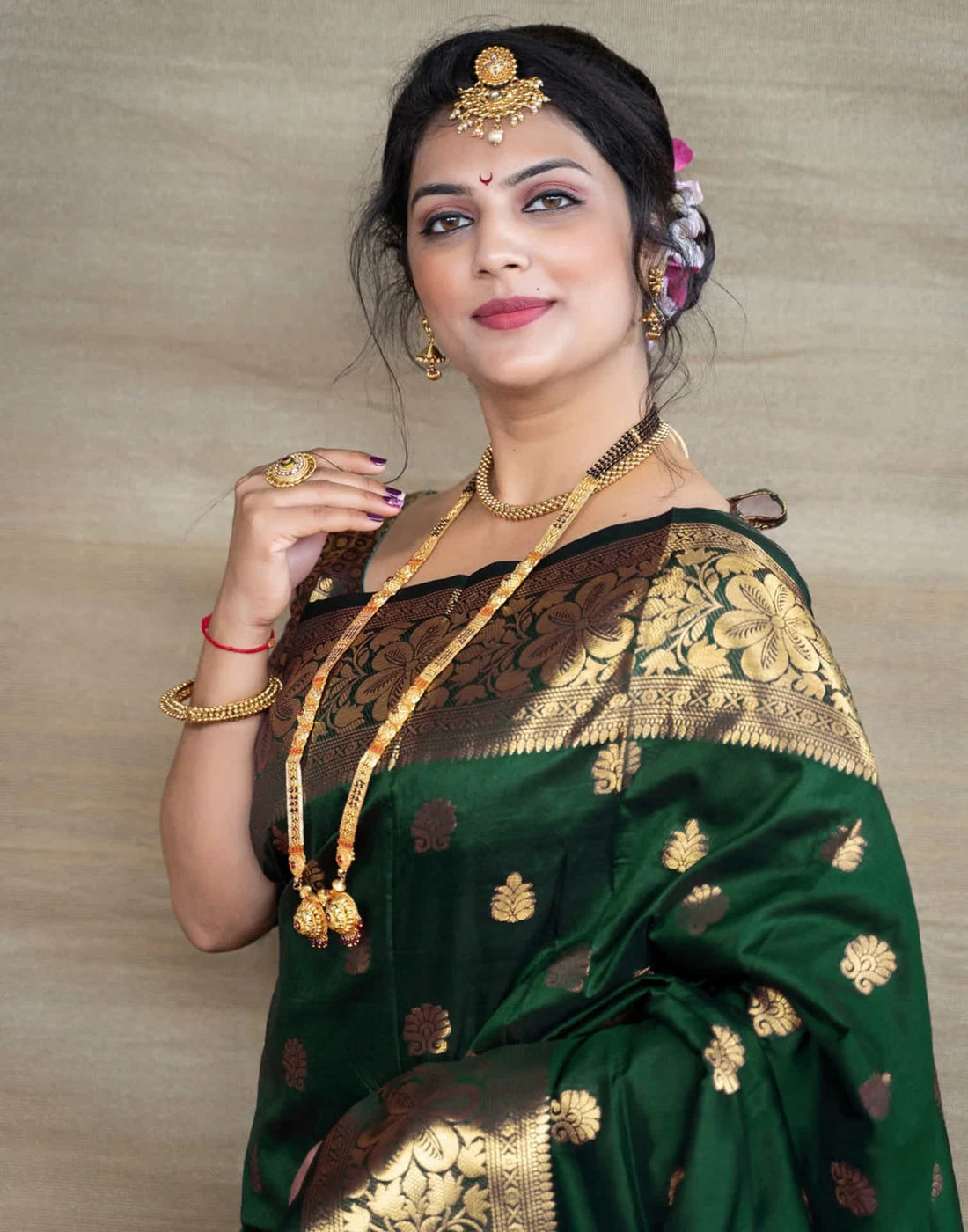
Banarasi sarees for festivals are known for detailed zari patterns and rich colour combinations. Kanjivaram festive sarees suit South Indian festivals, pujas and formal family events. Paithani festive sarees are popular for Maharashtrian celebrations such as Gudi Padwa, Ganesh Chaturthi and Hartalika Teej. Pair a detailed woven saree with a simple blouse and limited jewellery.
Georgette, Chiffon and Printed Festive Sarees
Georgette festive sarees are lightweight, easy to pleat and comfortable for long celebrations. Chiffon offers a soft drape for family lunches and evening gatherings. Floral, Bandhani, Leheriya, Kalamkari and geometric printed festive sarees bring colour without becoming difficult to carry. Choose embroidery, sequins, foil print or mirror work when you want a stronger evening look.
Ready-to-Wear Festive Sarees
Ready-to-wear festive sarees suit beginners, working women and last-minute plans. Pre-stitched pleats reduce draping time and help the saree stay in place. These sarees are practical for office celebrations, family visits, Garba nights and occasions where you expect to move around frequently.
Sarees for Major Indian Festivals
Diwali, Lakshmi Puja, Govardhan Puja and Bhai Dooj Sarees
Diwali sarees often feature silk, zari, woven borders or light embellishments that look good during pujas and evening celebrations. Banarasi, Kanjivaram, Paithani and embroidered georgette are popular choices. Red, green, pink, blue, maroon and gold-toned combinations suit Diwali parties and family dinners.
For Lakshmi Puja, choose red, pink, yellow or green festive silk sarees with a neat border. Govardhan Puja and Bhai Dooj sarees can be lighter because these celebrations often include daytime rituals and family visits. Printed georgette, chiffon or light woven sarees offer an easy festive look.
Navratri, Durga Puja, Dussehra and Vijayadashami Sarees
Navratri sarees are usually colourful and easy to move in. Bandhani, Leheriya, Patola-style prints and mirror work suit Garba nights. Women who follow the nine Navratri colours can choose a different printed or lightweight saree for each day. A ready-to-wear saree is useful when quick dressing and secure pleats matter.
Red, white, cream and gold combinations remain popular Durga Puja sarees. Printed cotton blends suit daytime pandal visits, while silk, Banarasi and embroidered sarees work for evening celebrations. For Dussehra or Vijayadashami, choose a bright woven, silk or georgette saree with a festive border.
Karwa Chauth, Teej, Hartalika Teej and Vat Savitri Sarees
Karwa Chauth sarees are commonly chosen in red, maroon, rani pink and wine. Silk, Banarasi, georgette and embellished sarees work well for the evening puja. Choose a fabric that remains comfortable from the daytime preparations through the moonrise rituals.
Green, red and pink Teej sarees are widely searched for Hariyali Teej and Hartalika Teej. Paithani, Banarasi, Bandhani and lightweight silk styles suit these celebrations. Vat Savitri sarees and Vat Purnima sarees are often selected in red, green, yellow or maroon for the morning puja. Printed or light woven fabrics can make long rituals easier to manage.
Raksha Bandhan and Family Celebration Sarees
Raksha Bandhan sarees and Bhai Dooj sarees should feel festive but easy to wear for family photos, meals and gift exchanges. Printed georgette, chiffon, light silk and ready-to-wear sarees are practical for celebrations at home. Younger shoppers may prefer floral or pre-stitched styles, while woven silk and Banarasi sarees suit a more traditional family look.
Holi, Basant Panchami and Saraswati Puja Sarees
Holi sarees are usually light, colourful and easy to wash or repeat for casual celebrations. Printed sarees, Leheriya and Bandhani patterns match the mood of the festival. Choose a practical fabric if you will be celebrating outdoors.
Yellow remains the leading search colour for Basant Panchami sarees and Saraswati Puja sarees. Mustard, lemon yellow, cream, white and orange work well in cotton blends, silk, georgette or chiffon. A simple yellow saree with a contrast blouse, small earrings and a bindi creates a clear festive look without heavy styling.
Janmashtami, Ganesh Chaturthi and Mahashivratri Sarees
Janmashtami sarees are often selected in yellow, blue, green and peacock-inspired combinations. Bandhani, silk and printed sarees work for temple visits and home celebrations. Ganesh Chaturthi sarees can include bright Paithani, silk, woven and lightweight printed options, especially for morning aarti and family gatherings.
For Mahashivratri sarees, purple, blue, white, green and simple temple-ready styles are common search choices. Cotton blends, light silk and printed sarees remain comfortable during pujas. Ram Navami and Hanuman Jayanti celebrations also suit yellow, orange, red or simple woven sarees for temple visits.
Akshaya Tritiya, Varalakshmi Vratam and Tulsi Vivah Sarees
Akshaya Tritiya sarees are often searched in silk, Kanjivaram, Banarasi and bright auspicious colours. These styles can also be worn for family ceremonies and festive gifting. Varalakshmi Vratam sarees are commonly associated with Kanjivaram, silk, zari borders and strong South Indian colours such as red, green, pink and mustard.
Tulsi Vivah sarees can be traditional without being too heavy. Choose silk blends, Banarasi-style weaves, Bandhani or printed sarees in red, yellow, green and pink. These options also work for Dev Diwali and small home pujas during the wedding season.
Regional Festival Sarees Across India
Makar Sankranti, Pongal and Puthandu Sarees
Makar Sankranti sarees vary across regions. Black sarees are strongly associated with Maharashtrian Sankranti looks, while green, yellow and woven styles are also popular. Bandhani, Paithani and printed sarees suit family celebrations and haldi-kumkum gatherings.
Pongal sarees are commonly searched in Kanjivaram, silk, cotton and cream-gold combinations. For Puthandu, the Tamil New Year, choose bright Kanjivaram-style sarees, light silk, tissue or printed options in yellow, green, orange and pink. Comfortable fabrics help during cooking, puja and family visits.
Onam, Vishu and Thiruvathira Sarees
Onam sarees are closely linked with cream, white and gold-toned Kerala-style looks. A simple gold border with a green, red or maroon blouse works well for Onam celebrations and family meals. Vishu sarees follow a similar palette, with cream, yellow, green and gold remaining strong choices for Vishukkani and temple visits.
For Thiruvathira, women often choose cream-gold, cotton, silk or simple woven sarees that allow comfortable movement during group celebrations. These sarees can be restyled for Onam, Vishu and other Kerala family functions.
Gudi Padwa and Ugadi Sarees
Gudi Padwa sarees are often searched in Paithani, Nauvari-inspired drapes, silk and bright colours such as yellow, green, purple, pink and red. A Paithani-style border, nath and traditional jewellery can complete the Maharashtrian look.
Ugadi sarees are popular in Kanjivaram, silk, cotton, Kalamkari and woven styles. Yellow, green, red and orange reflect the fresh start associated with the Telugu and Kannada New Year. Lightweight silk or printed sarees are practical for home pujas and festive meals.
Cheti Chand sarees can include Maheshwari-style weaves, silk blends, georgette and bright printed options. Pink, red, yellow, blue and green work well for Sindhi New Year gatherings and Jhulelal celebrations.
Poila Boishakh and Bengali Festival Sarees
Poila Boishakh sarees are commonly searched in red-white combinations, cotton, silk and Bengali-style prints. A red blouse, bindi and simple jewellery create a clear Noboborsho look. These sarees can also work for Saraswati Puja, Lakshmi Puja and daytime Durga Puja events.
Kojagari Lakshmi Puja and Jamai Shashti are smaller Bengali occasions with saree-led dressing. Red, white, yellow, printed cotton and light silk sarees suit home rituals and family meals without feeling too formal.
Bihu, Lohri and Baisakhi Sarees
Bihu sarees are often searched in red, white, cream, yellow and woven patterns. Lightweight silk and cotton sarees provide a festive alternative for Assamese celebrations. Use a contrast red blouse and simple jewellery for a bright daytime look.
Lohri sarees can include winter-friendly silk blends in red, maroon, green, mustard or deep blue. Baisakhi sarees can include yellow, orange, pink, green and floral prints. Although suits are common for both festivals, a light or woven saree works well for a family gathering, gurdwara visit or cultural event.
Chhath Puja Sarees
Chhath Puja sarees are searched in yellow, orange, red, green, pink and bright Banarasi-style designs. Silk, woven and lightweight sarees can all work depending on the ritual and location. Choose secure pleats and a comfortable fabric for the long outdoor observances. A simple border and strong colour can look festive without becoming difficult to manage near the river or ghat.
Bathukamma and Bonalu Sarees
Bathukamma sarees often use bright floral colours that match the flower arrangements at the centre of the celebration. Pattu-style sarees, Kalamkari, silk, cotton and floral prints are practical choices. Pink, yellow, green, orange and purple create a lively look.
Bonalu sarees are commonly searched in bold colours, checked patterns, cotton, silk and traditional Telangana-inspired combinations. A bright blouse, bangles and flowers can complete the look. Lightweight fabrics help during temple visits and outdoor processions.
Nuakhai, Raja Parba and Rath Yatra Sarees
Nuakhai sarees are strongly linked with Sambalpuri-style patterns, red, black, white and bright woven looks. If you prefer an easier option, choose a printed saree with geometric or ikat-style motifs. Raja Parba sarees can be colourful, lightweight and comfortable for gatherings across Odisha.
Rath Yatra sarees often feature red, yellow, white, black or Odisha-inspired patterns. Cotton blends, printed sarees and woven styles work well for temple visits and long outdoor celebrations. Choose secure pleats and comfortable footwear for crowded events.
Karthigai Deepam and Aadi Festival Sarees
Karthigai Deepam sarees are frequently associated with Kanjivaram, silk, cotton and bright temple-ready colours. Red, maroon, mustard, green and purple work well for lamp-lighting rituals and family gatherings. A gold-toned border adds a festive finish.
Aadi Perukku and other Aadi month pujas in Tamil Nadu often include bright silk, cotton and checked sarees. Varalakshmi Vratam also falls within this seasonal shopping period, making red, green, yellow and pink useful colours across several South Indian celebrations.
Eid and Christmas Sarees
Eid sarees are often searched in georgette, chiffon, organza, embroidered and pastel styles. Green, pink, blue, cream and jewel tones work well for family meals and evening visits. Choose light embellishment when you want a dressed-up look without a heavy drape.
Navroz sarees are commonly searched in organza, chiffon, silk, pastel colours and detailed embroidered styles. A light saree with a neat border suits Parsi New Year lunches and family gatherings.
Christmas sarees can include red, green, white, gold, printed and shimmer styles. Floral georgette, satin-look fabrics and simple embroidered sarees work for church services, family lunches and evening celebrations. These options can also be reused for New Year parties and wedding-season events.
How to Choose Festive Sarees Online
Start with the festival, time of day and type of gathering. Printed sarees suit daytime pujas and small family events. Silk, zari and embroidered sarees work for formal celebrations and evening functions. Choose georgette, chiffon or ready-to-wear festive sarees when comfort and easy movement matter most.
Check the fabric description, saree length, border, work, blouse-piece details and care instructions before ordering. Review product images to understand the colour and pattern placement. Think about the blouse and jewellery you already own so the saree is easier to style.
Consider repeat use too. A georgette saree can work for parties, festivals and family events. A Banarasi, Kanjivaram or Paithani-style saree can be worn for weddings and traditional functions. A printed saree can move from a small festival to office celebrations and casual gatherings.
Why Buy Festive Sarees Online from Sudathi?
Sudathi is an online-first ethnic fashion brand focused on high-quality, trend-led and affordable choices for Indian women. Shoppers can explore more than 3,000 sarees across popular fabrics, colours, occasions and styles in one place.
Sudathi is India’s first saree brand to launch 100+ new sarees every Saturday through Sarees Saturday. These weekly drops help customers find new designs regularly. The brand has served more than 15 lakh customers and secured a three-shark deal on Shark Tank India Season 4 with Anupam Mittal, Peyush Bansal and Aman Gupta.
Clear product details, useful filters, free shipping and an easy online shopping process help customers compare designer festive sarees with confidence. From festive silk sarees to lightweight ready-to-wear styles, Sudathi offers practical choices for major festivals, smaller regional celebrations and family pujas throughout the year.
Find Your Festive Saree at Sudathi
The right festive saree should suit the celebration, feel comfortable and remain useful for future occasions. Choose silk and woven sarees for a traditional look, georgette and chiffon for easy draping, printed sarees for daytime functions, and ready-to-wear sarees when time is limited.
Explore Sudathi’s latest festive saree collection and compare fabrics, colours and designs for festivals across India. Shop festive sarees online at Sudathi and find a saree that fits your celebration, budget and personal style.
Frequently Asked Questions
1) Which saree is best for Indian festivals?
Silk, Banarasi, Kanjivaram, Paithani, georgette and embroidered sarees are popular for festivals. Choose woven styles for traditional events and lightweight fabrics for long daytime celebrations.
2) Where can I buy festive sarees online in India?
You can buy festive sarees online at Sudathi. The collection includes silk, georgette, chiffon, Banarasi, Kanjivaram, Paithani, printed and ready-to-wear options.
3) Which saree is best for Diwali?
Banarasi, Kanjivaram, Paithani, festive silk and embroidered georgette sarees suit Diwali. Red, green, pink, blue, maroon and gold-toned combinations work well for pujas and parties.
4) Which sarees are suitable for regional New Year festivals?
Choose Paithani for Gudi Padwa, Kanjivaram or Kalamkari for Ugadi and Puthandu, cream-gold sarees for Vishu, and red-white cotton or silk sarees for Poila Boishakh.
5) Which sarees are popular for harvest festivals?
Pongal suits Kanjivaram and silk sarees, Onam suits cream-gold styles, Makar Sankranti suits black or bright woven sarees, and Bihu or Baisakhi suits lightweight sarees in red, yellow, white or green.
6) Which sarees are best for Teej, Karwa Chauth and Vat Savitri?
Red, green, maroon, rani pink and yellow sarees are popular for these vrat-based festivals. Silk, Banarasi, Paithani, Bandhani and lightweight georgette styles are practical choices.
7) Are georgette sarees suitable for festivals?
Yes. Georgette festive sarees are lightweight, easy to drape and available in printed, embroidered and sequin styles for daytime and evening celebrations.
8) Can I wear a ready-to-wear saree for a festival?
Yes. A ready-to-wear festive saree is useful for beginners and busy celebrations because pre-stitched pleats reduce draping time and help the saree stay secure.
9) How do I choose the right festive saree colour?
Match the colour to the festival and your preference. Yellow suits Basant Panchami, cream-gold suits Onam, green suits Teej, red-white suits Durga Puja, and bright red, pink, blue or green work across many Indian festivals.
10) How should I choose a festive saree online?
Check the fabric, colour, border, blouse-piece details, product images and care instructions. Match the saree to the festival, time of day and number of hours you plan to wear it.